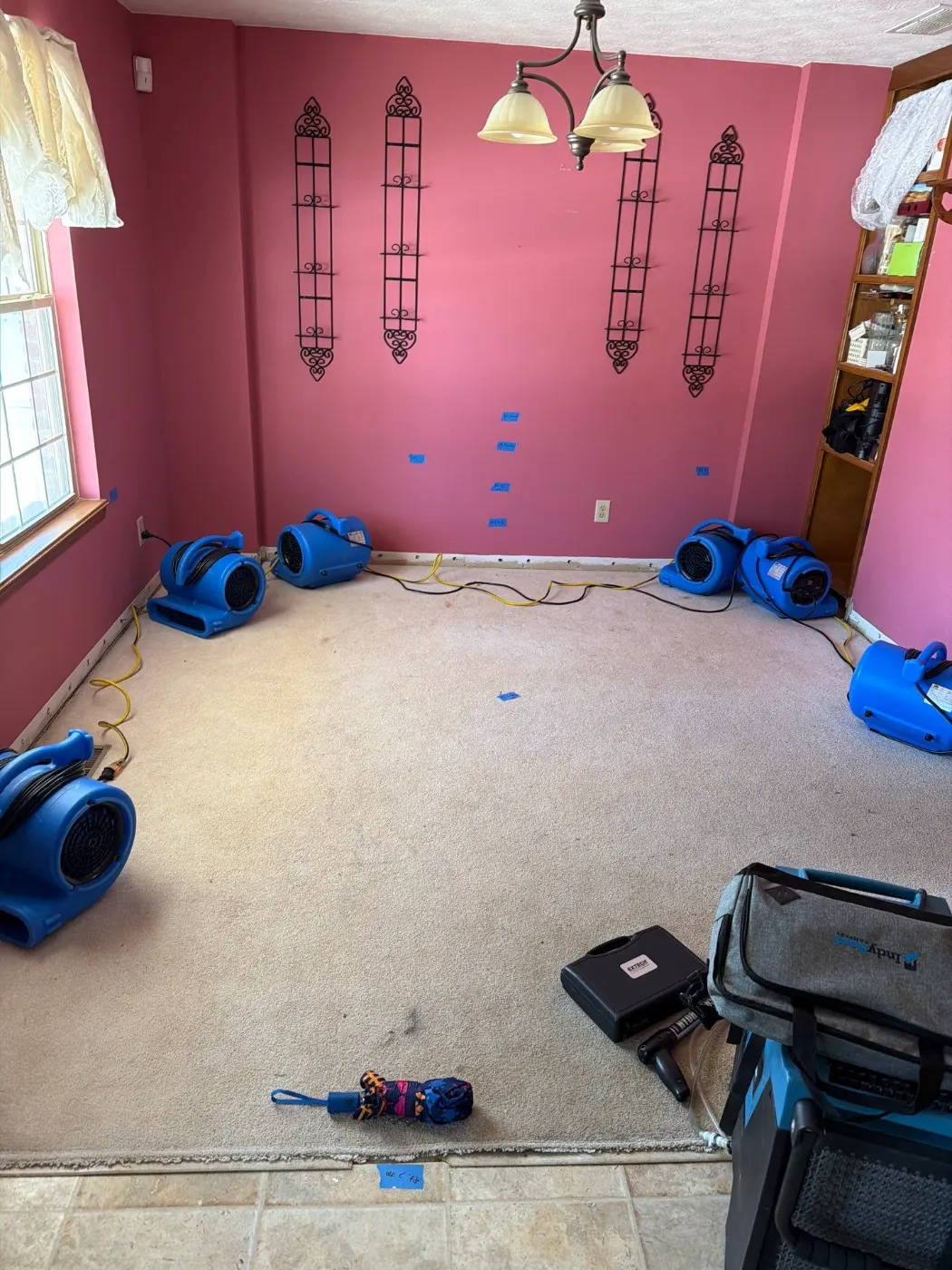
Middle of the Night Flood Help in Lake Stonebridge
Water spreading through your floors, drywall, or walkout lower level right now? Lake Stonebridge Water Restoration delivers fast, around the clock emergency water damage restoration in Lake Stonebridge, with IICRC certified crews dispatched day or night. From extraction through reconstruction, we handle the full job and coordinate directly with your insurance carrier.
If we're busy helping someone else and miss your call, we'll call you back within 15 minutes.


Water emergency in Lake Stonebridge? Lake Stonebridge Water Restoration dispatches IICRC certified crews 24/7 for water extraction, flooded basement cleanup, burst pipe response, and complete structural drying, with every step documented for your insurance claim. Call (463) 223-3831.
- Services: water damage restoration, basement flooding, sewage cleanup, storm damage
- Service area: Lake Stonebridge, Hamilton County, IN and surrounding areas
- Response time: Same day for Lake Stonebridge inquiries; 24/7 emergency service available
- Licensed and insured (License #RC21100059)
- Serving Lake Stonebridge, IN since 2018
Schedule Your Free Damage Assessment
Every Lake Stonebridge inspection starts as a room by room walkthrough, because hidden moisture is what turns a manageable claim into a mold remediation project thirty days later. We measure walls at multiple heights with non penetrating meters, then confirm with penetrating probes where readings spike. Baseboards, trim, subfloors, insulation in suspect cavities, behind cabinets, under sinks, around water heaters and washing machines, and the full basement perimeter at the slab joint all get checked. A thermal imaging camera maps temperature differentials that indicate trapped water inside wall cavities and under flooring, and an ambient hygrometer documents humidity and dew point in the affected zone. Walkout lower levels common across Lake Stonebridge get extra attention along the below grade walls and window wells, where hydrostatic seepage hides behind finished drywall. Thorough mapping up front is what prevents the expensive surprise later.
I agree to be contacted by Lake Stonebridge Water Restoration regarding my inquiry.
A flooded basement in Lake Stonebridge is not a wait-until-Monday problem. Groundwater intrusion, failed water heaters, and backed up floor drains push water into finished spaces fast, and drywall, carpet, and subfloor start absorbing immediately. Emergency water removal within hours is the difference between drying and demolition.
The utility shutoffs come first. Electrical hazards, gas appliances near water, and compromised systems get assessed before anyone wades in. Safe Lake Stonebridge water damage response protects the family and the crew before it protects the drywall.
Water damage restoration near Lake Stonebridge is a crowded search result. The filter that works: who answers now, who shows readings, who writes scopes, and who local homeowners actually recommend. Apply it to everyone, including us.
Payment Options That Work for You
Your Lake Stonebridge Water Restoration project lead will walk you through every financing option during the assessment, and every term is in writing.
Pay for your project at a later time, but lock in today's pricing. Ideal for homeowners waiting on insurance settlements.
- No payments for 12 months
- No interest if paid in full
- Lock in current pricing today
Divide your project cost equally across 12 months with zero interest. Most homeowners choose this option for predictable budgeting.
- Equal monthly payments
- 0% interest for 12 months
- Simple, predictable budgeting
Spread your investment over up to 20 years with fixed equal payments. The right choice for larger projects or homeowners who prefer lower monthly amounts.
- Up to 20-year terms available
- Fixed equal payments
- Ideal for larger restoration projects
Subject to credit approval. Ask your project lead for current terms and promotions.
Water Damage Restoration Services in Lake Stonebridge
Each service page below explains what the work involves in your Lake Stonebridge home and what to expect from the crew.
Water Damage Restoration in Lake Stonebridge
Serving Lake Stonebridge: full residential water damage restoration covering extraction, structural drying, antimicrobial treatment, and reconstruction. Work follows the IICRC S500 standard from first assessment through verified dry out.
Learn moreBasement Flooding in Lake Stonebridge
Basement flood response for Lake Stonebridge walkout and below grade spaces, including water extraction, finished material removal where needed, structural drying, and rebuild of drywall, flooring, and trim.
Learn moreSewage Cleanup in Lake Stonebridge
Serving Lake Stonebridge: category 3 sewage cleanup with full containment, contaminated material removal, antimicrobial treatment, and HEPA filtration per IICRC S520. Technicians work in full PPE under controlled conditions.
Learn moreStorm Damage in Lake Stonebridge
In Lake Stonebridge, storm driven water intrusion response, including extraction from wind driven rain entry, foundation seepage, and surface flooding, followed by structural drying and reconstruction of damaged interior finishes.
Learn moreCommercial Water Restoration in Lake Stonebridge
For Lake Stonebridge addresses, commercial water damage response for offices, retail, and multi tenant properties, scaled with commercial extraction equipment and dehumidification to keep business interruption short.
Learn moreCommercial Flood Damage Cleanup in Lake Stonebridge
For Lake Stonebridge addresses, flood cleanup for commercial buildings, including water removal, contaminated material disposal, structural drying, and coordination with property managers and insurance carriers on documentation.
Learn moreCommercial Sewage Cleanup in Lake Stonebridge
Serving Lake Stonebridge: commercial sewage backup remediation under IICRC S520 protocols, with sealed containment, HEPA-filtered negative air, removal of affected porous materials, and antimicrobial treatment of remaining structure.
Learn moreCommercial Mold Remediation in Lake Stonebridge
For Lake Stonebridge addresses, commercial mold remediation built around containment, HEPA filtration, controlled removal of affected materials, and post remediation verification when warranted, all to the IICRC S520 standard.
Learn moreCommercial Storm Damage in Lake Stonebridge
In Lake Stonebridge, commercial storm response for water intrusion through compromised envelopes, including extraction, structural drying, and reconstruction of damaged interior finishes to return the property to operation.
Learn more
Local Expertise, Real Results
Built on doing the full job right the first time, from the first meter reading in Lake Stonebridge to the final coat of paint.
Lake Stonebridge Water Restoration provides water damage restoration in Lake Stonebridge and across Hamilton County. Our licensed crew handles every job from first inspection to final walkthrough, with documentation built for insurance carriers from the first photo. Lake Stonebridge homeowners call us for emergency extraction, structural drying, mold control, and reconstruction under one project.
Lake Stonebridge Water Restoration serves Lake Stonebridge and the broader Hamilton County area with full scope residential and commercial water damage restoration. Our service footprint covers Lake Stonebridge along with Cumberland Crossing, Sandstone Lakes, Rolling Knoll, The Bristols, Windermere, and Saxony, so a crew is rarely far when a Lake Stonebridge homeowner calls in a burst pipe or basement flood. The company has built its reputation on doing restoration work the right way, start to finish, instead of partner half the job out. Every technician on the truck is IICRC certified, and the company runs as a licensed and insured operation with experienced technicians, not temp work. That matters when someone is walking through your finished lower level with thermal imaging at two in the morning.
Our methodology follows the IICRC S500 standard for water damage restoration and the IICRC S520 standard for any mold remediation that becomes part of the scope. A Lake Stonebridge job starts with a structured moisture assessment, thermal imaging to locate hidden saturation, penetrating meters to confirm readings inside walls and subfloors, and an ambient hygrometer reading to baseline conditions. From there, controlled water extraction comes first, followed by structural drying with monitored airflow and dehumidification sized to the affected footprint. Antimicrobial treatment is applied where contamination warrants it, and we verify dry standard with documented meter readings before any reconstruction begins. The protocols sound technical because they are, but the result is a home that actually dries instead of one that smells fine for six weeks and then grows mold.
Our Promise
Lake Stonebridge homeowners get three things from Lake Stonebridge Water Restoration. First, fast emergency response, with crews dispatched day or night through our 24/7 emergency line. Second, IICRC certified technicians trained to the S500 standard, working from a written scope rather than guesswork. Third, a free on site inspection before any work begins, and full coordination with your insurance carrier if you have an active claim. No pressure, no surprise add ons after the trucks arrive, just a clear plan to dry the home and rebuild what the water damaged.
Why Lake Stonebridge Calls Us Back
From the first meter reading to the final coat of paint, every Lake Stonebridge job is run by IICRC certified crews working from a documented scope with pricing you see up front.
24/7 Emergency Dispatch
Water damage doubles in scope the longer extraction waits, so our Lake Stonebridge emergency line runs around the clock. Call any time and a crew is dispatched with extraction equipment, dehumidifiers, and air movers already loaded. Fast response keeps Category 1 losses from drifting into Category 2 territory, which keeps your costs and reconstruction scope smaller.
IICRC S500 Trained
Every technician is IICRC certified, and we work to the S500 standard for water damage restoration. In practice that means documented Category and Class determination, structural drying calculations matched to the affected materials, and verified dry standard before walls get closed up. It is the difference between a real restoration and a fast cleanup.
Mitigation Through Rebuild
The same Lake Stonebridge Water Restoration operation that performs extraction and drying also handles the reconstruction, drywall, flooring, paint, and trim. Lake Stonebridge homeowners do not get handed off to a separate general contractor mid project. One point of contact carries the job from the first wet vacuum to the final coat of paint.
Insurance Coordination
We document every affected area with photos, video, and logged meter readings so your file holds up under adjuster review. We work directly with your insurance carrier on scope and justification while you focus on your family. Most Lake Stonebridge claims move cleaner when the mitigation paperwork is built right from day one.
Real Jobs. Real Results.
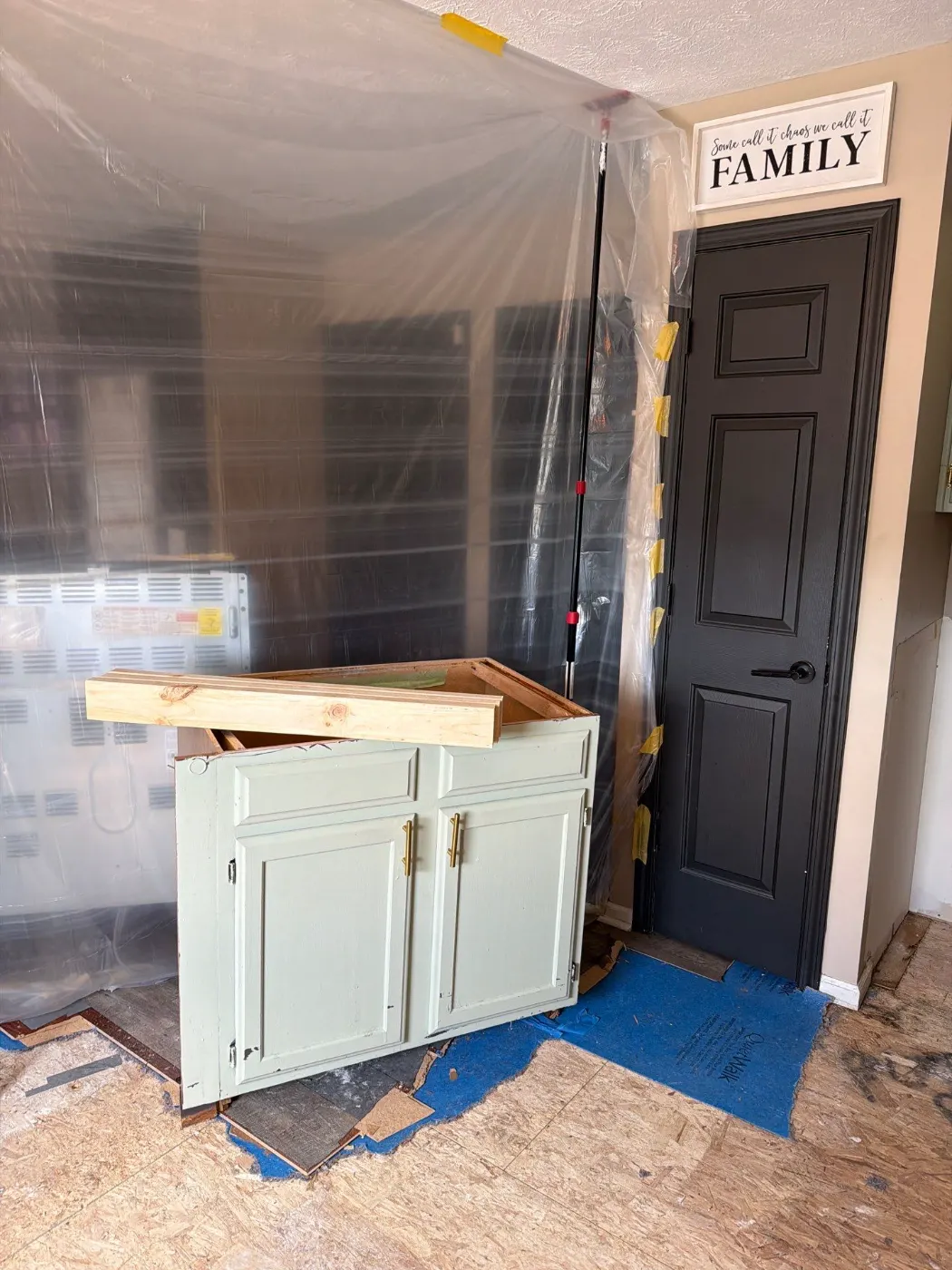
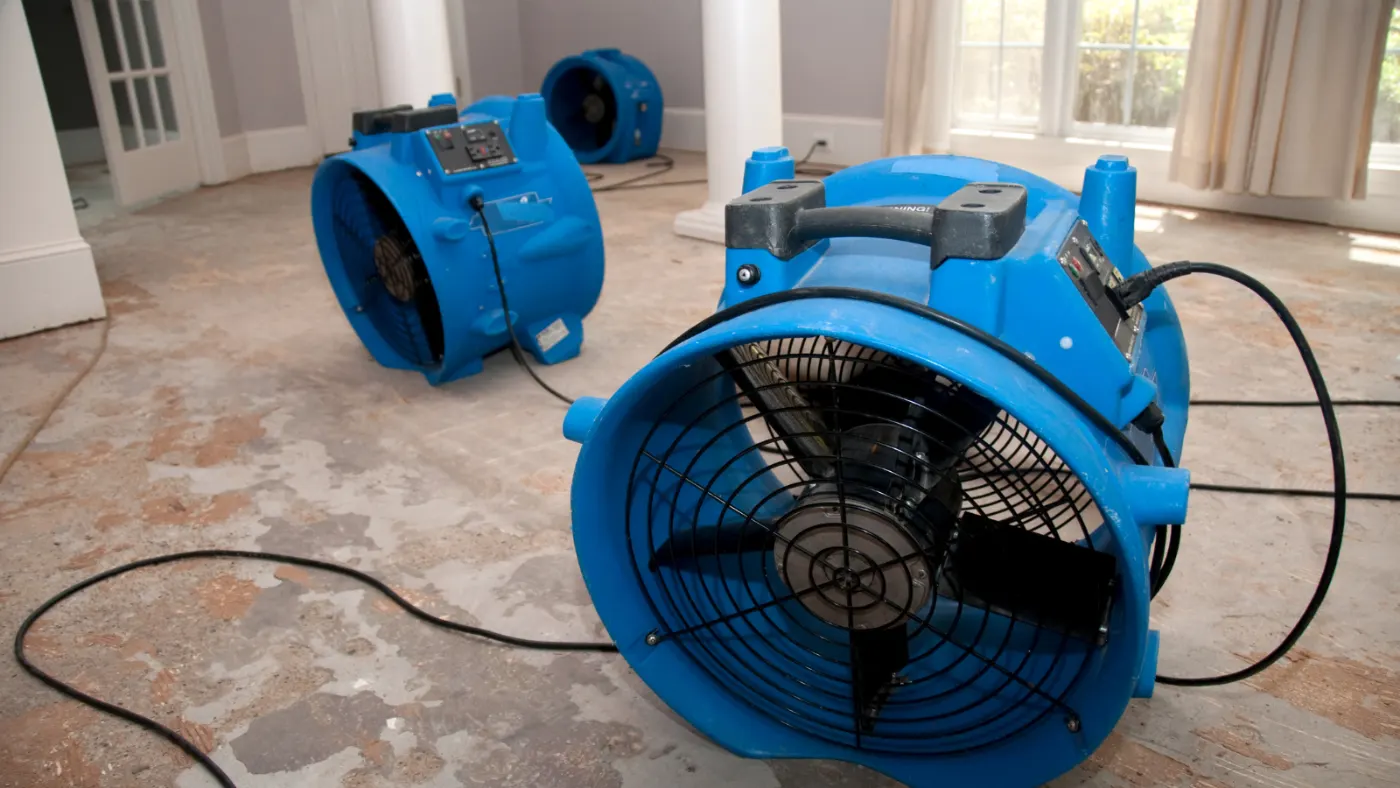
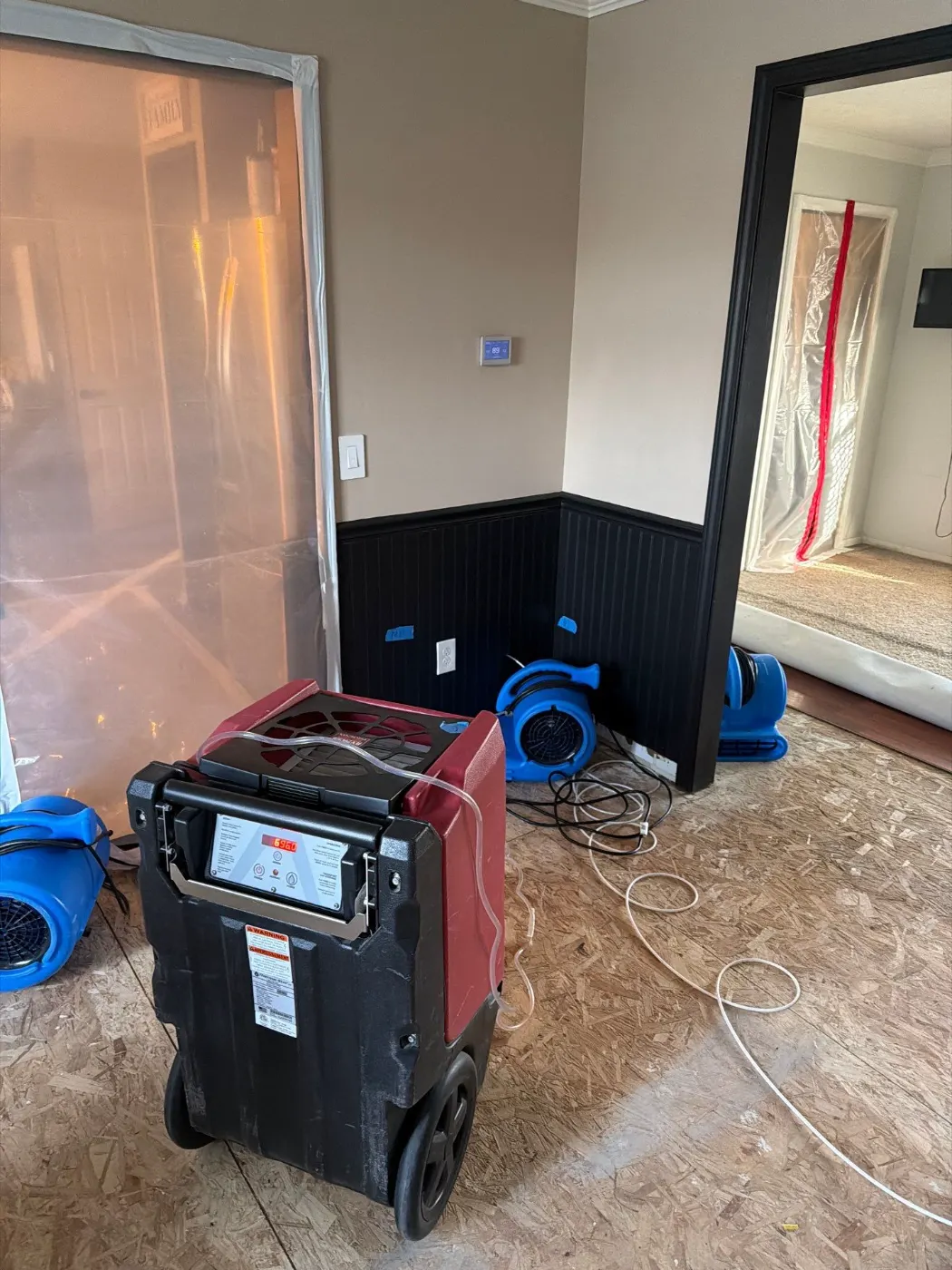
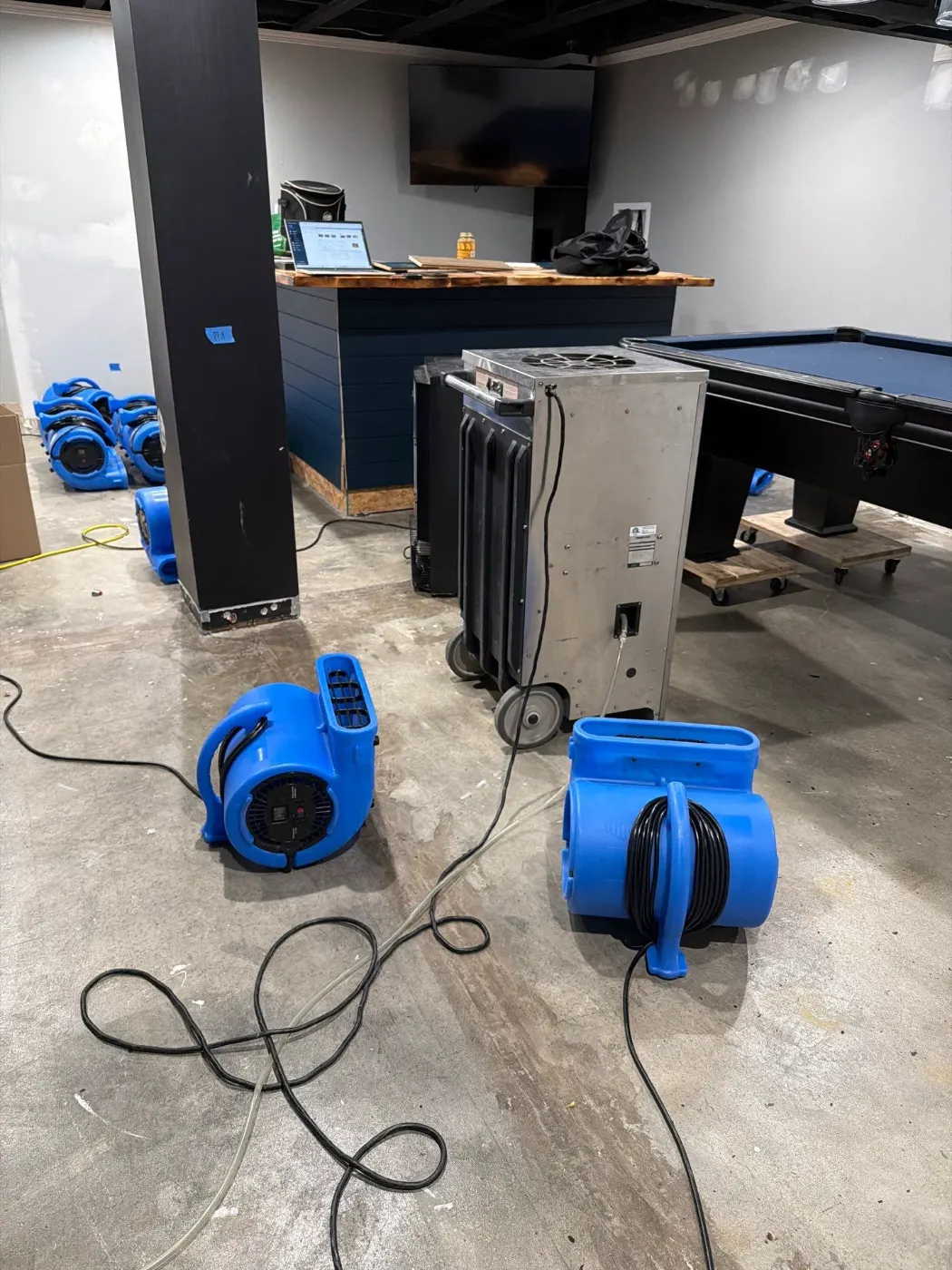
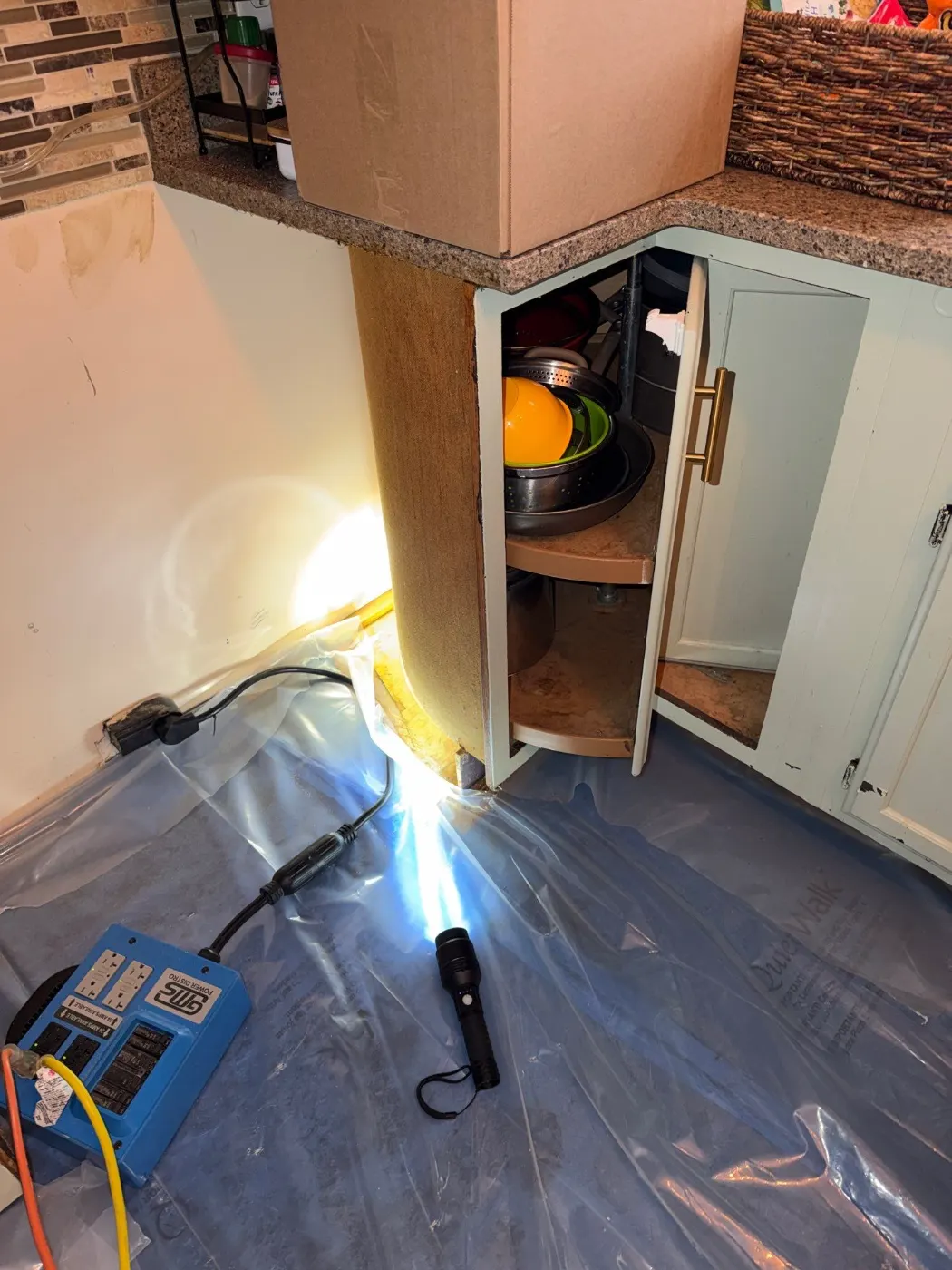
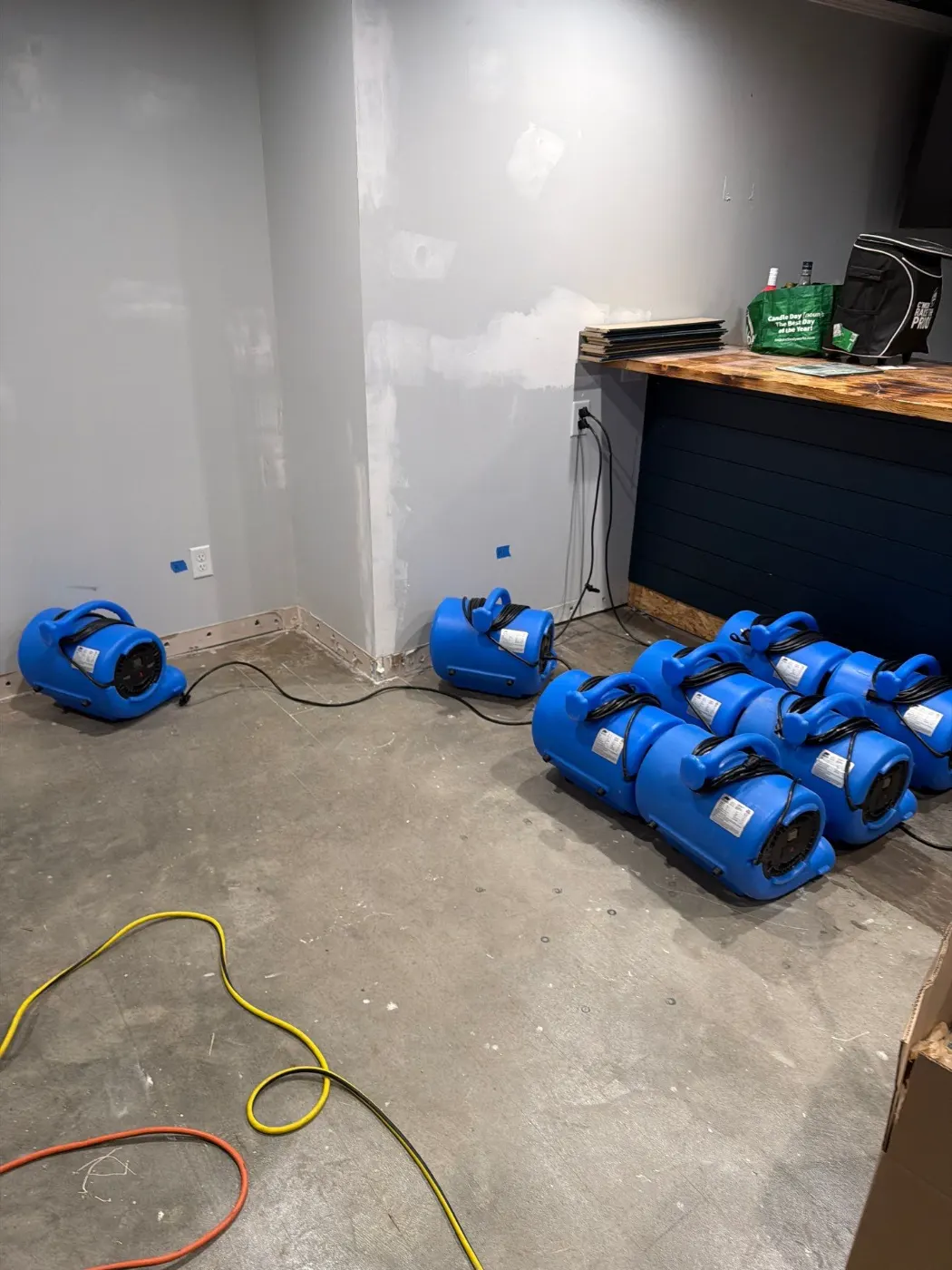
Recent Lake Stonebridge and Hamilton County restoration projects, from walkout lower level extractions and burst supply line dry outs to full Category 3 sewage remediation and reconstruction.
How a Lake Stonebridge Restoration Comes Together
Step one on every Lake Stonebridge job is moisture assessment and Category determination. A certified technician walks the affected areas with thermal imaging and moisture meters, traces the source whether it is a broken supply line, dishwasher or washing machine failure, sewer backup, or storm intrusion through a window well or foundation crack, and classifies the water as Category 1, 2, or 3 per IICRC S500. The full scope of damage gets mapped and written down before a single dehumidifier comes off the truck. This phase typically takes one to two hours and sets the foundation for everything that follows.
Step two is documentation and insurance coordination. We photograph and video every affected room before mitigation begins, log meter readings into a written moisture map, and contact your insurance carrier's adjuster directly. Scope of work is matched to your coverage, and mitigation steps are justified in writing per industry standard so nothing about the claim gets questioned later. Most Lake Stonebridge homeowners never have to handle the paperwork themselves, we coordinate with the carrier and keep you in the loop on approvals.
Step three is drying execution and controlled reconstruction. Air movers and dehumidifiers are placed based on structural drying calculations for the affected square footage, and readings are logged daily until materials hit the dry standard set against unaffected baseline. Controlled demolition only happens where materials cannot be dried in place, which keeps the rebuild scope tight. Once dry, reconstruction follows, drywall replaced, insulation packed back in, flooring laid, paint, trim, and finishes restored so the Lake Stonebridge home looks like the loss never happened.
Rapid On Site Dispatch
Extraction equipment, dehumidifiers, air movers, thermal imaging, and meters are already on the truck when we roll. A certified lead technician runs each crew, so assessment and mitigation start the moment we walk in. Lake Stonebridge homeowners are not waiting on a second truck for the actual drying work.
Category and Class Call
Following IICRC S500, we determine Category 1 (clean supply line water), Category 2 (gray water from appliances or toilet overflow without solids), or Category 3 (sewage, floodwater, or long standing contamination). Meter readings get logged and a written assessment guides the scope. The classification drives every decision that follows.
Insurance Coordination
We work directly with your insurance carrier on scope, photos, and moisture documentation. Every line in the estimate ties to a documented condition, so adjusters approve cleanly. We do not promise insurance coordination, but we handle the paperwork conversation so you do not have to translate restoration jargon.
Verified Dry Standard
Daily monitoring with logged moisture readings continues until walls, subfloors, and structural materials match unaffected baseline. Nothing gets closed up on a guess. Reconstruction only begins after the materials are confirmed dry, which is what keeps mold from showing up three weeks after the crew leaves.
Water Damage Sources in Lake Stonebridge
Lake Stonebridge homes typically call us about these six water damage scenarios.
Heavy Rain and Saturated Ground
Surface water is a grading problem before it is a plumbing one. A patio pitched toward the house, a downspout ending at the wall, or a flower bed built up above the siding line all deliver rain exactly where it should not go.
Appliance Failures
Dishwashers, washing machines, refrigerator ice maker lines, and water heaters fail without warning. Slow leaks behind appliances can run weeks before the wall behind them shows visible damage.
Sump Pump Failure
The single most common call we get from Lake Stonebridge homeowners. Power outage during a storm, pump motor burns out, or the float switch fails. By the time you notice, the basement has 2 to 6 inches of water.
Refrigerator Ice Maker Line
That quarter inch line feeding the ice maker is the smallest supply in the house and the one nobody looks at. It gets pinched when the refrigerator slides back, then weeps behind the unit where nothing is visible until the flooring cups.
Dishwasher Leak Under the Cabinet
Kitchen leaks travel along the underside of the cabinet run and drop through the first opening they find. In a Lake Stonebridge home over a finished basement, the first sign is a stain on the ceiling below, a room away from the appliance that caused it.
Washing Machine Hose Burst
Braided stainless hoses fail at the crimp and old black rubber ones fail down the middle. Either way it starts as a weep at the fitting and then opens. Replacing both hoses is a cheap Saturday; drying a laundry room and the room under it is not.
What to Do While You Wait for a Water Damage Crew in Lake Stonebridge
If you just found water in your Lake Stonebridge home, shut it off at the source first and keep everyone away from anything electrical. Then go through the rest of these steps in order while our crew heads your way.
1. Find your main shutoff
In homes with a basement, the main shutoff is usually on the wall closest to the street. In homes without one, look in a utility closet or near the water heater. Close it and leave it closed until the leak is fixed.
2. Unplug what you can reach safely
If a lamp or a space heater is plugged in near the water and the floor around it is still dry, unplug it and carry it to a dry room. Leave anything that's sitting in water exactly where it is for the crew.
3. Keep everyone on dry ground
Set up a spot in a dry part of the house for kids and pets while you work through this list. Floodwater and sewage both carry germs, and wet stairs and floors are easy to slip on.
4. Get belongings off the floor
Lift loose items and boxes onto a table or a bed in a dry room. Storage bins with snap lids can wait a little longer, but open cardboard boxes should come out of the water first.
5. Keep stains off the carpet
Metal furniture feet can rust, and wood finishes can bleed into wet carpet. A square of foil or a plastic container lid under each leg keeps both off the carpet, and it takes only a few minutes to do.
6. Leave the record to us
You have enough to deal with in the first hour. Our crew documents the damage with photos and moisture readings as soon as we arrive, and we walk you through what we found once the work is underway.
7. Soak up clean water
If the water came from a supply line or the water heater, you can blot it with towels and mop the floor. A wet and dry shop vac works for clean water too. Leave any water from a sewer or a floor drain for the crew.
8. Make the call early
Waiting until morning gives the water all night to soak into floors and walls. Our line is open 24/7, so call once the water is shut off and everyone is safe.
After these steps, the next move is a call to our dispatch line so a crew can start extraction at your Lake Stonebridge home.
Three Simple Steps
Whether the water came from a pipe or a storm, the job moves through these same steps.
Answered and Dispatched
Every emergency call gets a crew assigned and rolling within 2 hours. Nothing gets ordered after arrival, because the gear is already there.
The Written Scope
You get told what is urgent, what can wait, and what is fine. Nothing gets billed that is not photographed and justified first.
Verified and Finished
We leave when the home is dry, not when the week ends. Controlled demolition only where materials cannot be saved, then restoration.
What's in the Photo Report You Get From Our Crew
The photo report is the record of your water loss. Our crew photographs every affected room and logs moisture readings as the work goes. Then we walk you through what we found, so you understand your home before you make any decisions.
The source, in pictures
Whether it was a cracked pipe or a sump pump that quit, the first photos in the report show the source up close and in the context of the room around it. That helps your plumber see the same thing we saw.
What a thermal camera shows
A thermal camera picks up the cooler surfaces that wet materials leave behind. When the crew uses one, the images go in the report next to the meter readings that confirm what the camera found.
Pictures you can keep
Every photo in the report comes from our crew, taken on site during each visit. You keep a copy of the full set, which is handy if you sell the house later and a buyer asks about the water damage.
What can dry where it is
Some materials can be dried right where they are, and some have to come out. The report shows which is which, with the readings behind each call, so you understand why a section of drywall or flooring is being removed.
Daily readings while it dries
While the equipment runs, the crew comes back to take new readings, and those go into the report too. You can follow the numbers as they drop and see which rooms are closest to finished.
Questions are welcome
Ask about anything in the report that doesn't add up. The crew can take a new reading while you watch and explain what it means for that room, and seeing a dry wall next to a wet one makes the numbers easier to follow.
A record that's yours
Keep the report with your home records. We document damage with a photo report and walk you through what we found, so you can decide with your insurance company. Your policy will say what's covered, so read it before you call them.
The first photos and readings happen on day one, so call as soon as the water is off and everyone is safe.
Questions to Ask a Water Damage Company in Lake Stonebridge
Ask any restoration company in Lake Stonebridge these questions before you sign a work authorization.
How will you show me it's dry?
Ask for moisture readings on the first visit and the last one, so you can see the numbers reach dry standard.
Can I see an itemized estimate?
Ask for every line item in writing. Many insurers price water losses in Xactimate, so an estimate in that format is easier for an adjuster to review.
Does my policy require a certain company?
Ask your adjuster before you sign anything, and read the work authorization so you know what you're agreeing to.
What happens if you find mold?
Ask how mold behind walls or under floors gets handled, and whether that work is priced apart from the drying.
Who handles repairs after drying?
Ask who replaces drywall, flooring, paint and trim once the structure is dry, and whether one company can do both stages.
Who will be working in my home?
Ask whether the crew works for the company you called or for a subcontractor, and who's in charge on site each day.
Indiana Weather Drives Restoration Calls Year Round
Central Indiana weather drives water damage calls in Lake Stonebridge year round. Spring saturation pushes groundwater through foundations after heavy April and May rain, winter cold snaps split aging copper supply lines and freeze hose bibs, and humid July and August conditions accelerate mold growth on any moisture that lingered through spring.
Spring Saturation Flooding
Hamilton County recorded over four inches of rain in a single April 2024 event, and Lake Stonebridge sits directly on a private lake where saturated soil and lake level pressure both push against walkout foundations. Hydrostatic pressure forces water through cold joints, window wells, and slab seams. When called in, we extract, dry the cavity, and verify the below grade structure before any finished materials go back.
Winter Pipe Bursts
Indiana cold snaps freeze supply lines in exterior walls, garage adjacent runs, and unheated lower level zones, and copper joints approaching the 25 year mark are especially prone to splitting at the fitting. A failure at two in the morning can release hundreds of gallons before anyone wakes up. We arrive with extraction equipment running and start structural drying the same visit.
Summer Humidity and Mold
July and August in central Indiana drive dew points high enough that any lingering moisture from a spring leak starts growing colonies in Lake Stonebridge basements and crawl spaces. Mold begins establishing within 24 to 48 hours of saturation under the right conditions. We follow IICRC S520 containment, HEPA filtration, and antimicrobial protocols when remediation is warranted.
Severe Thunderstorms
Indiana flash floods strike with little warning, and the City of Fishers itself advises lakeside residents to verify floodplain status and keep sump pumps tested. Sump failures during a storm flood finished lower level rooms in minutes. We respond with commercial extraction equipment, document the loss, and dry the structure before the wet carpet pad starts feeding mold.
Water Restoration by Lake Stonebridge Neighborhood
Open a neighborhood for a quick look at the homes in that part of Lake Stonebridge and the water risks that come with them.
Where we respond near Lake Stonebridge
Call from Lake Stonebridge or a town close by, and a crew can be dispatched at any hour.
Lake Stonebridge Homes, and What Goes Wrong in Them
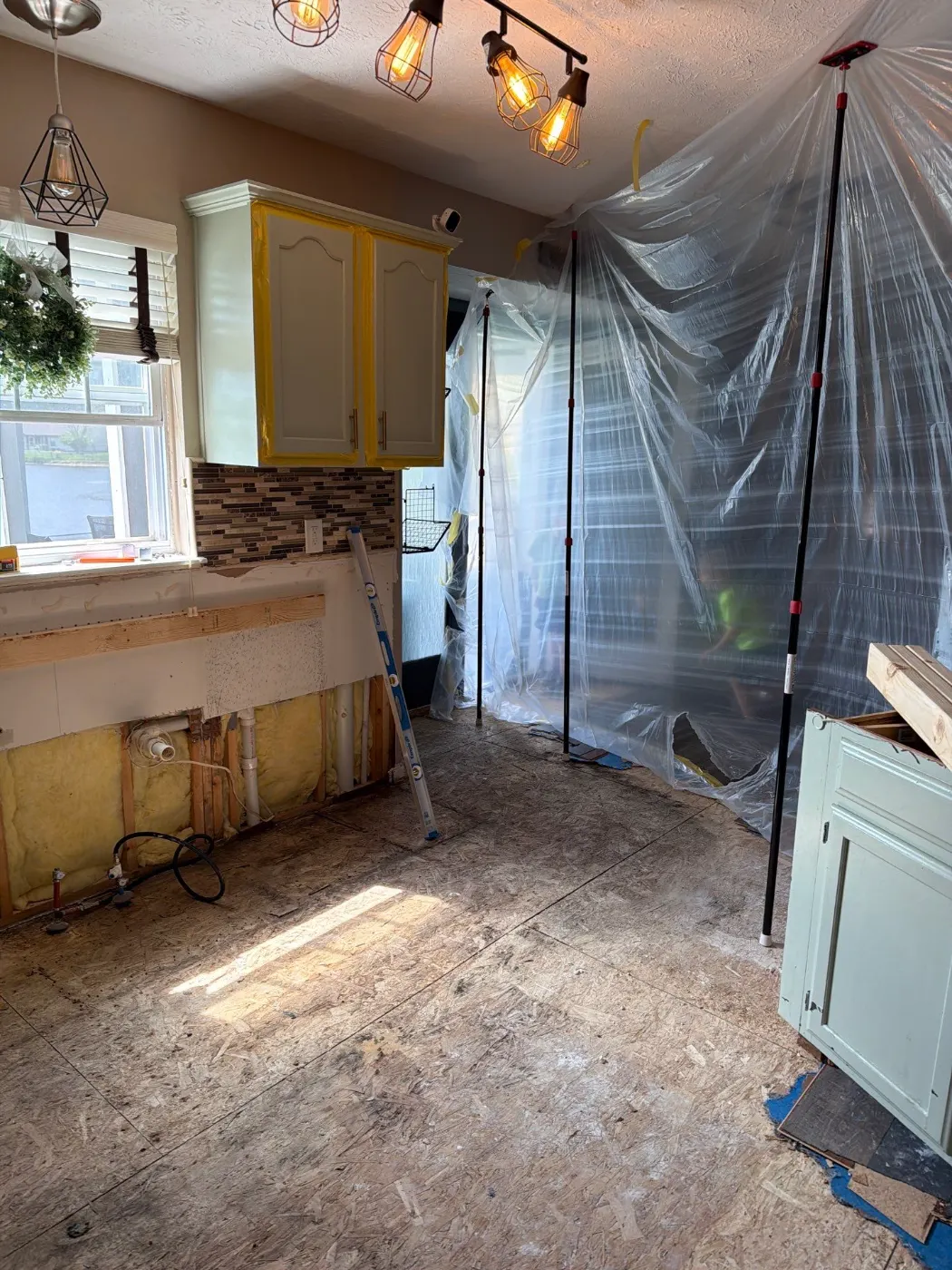
What the Lake Stonebridge area looks like from inside a water loss.
About Lake Stonebridge Homes
Lake Stonebridge homes were built primarily around the year 2000, consistent with the broader Fishers, IN median construction year of 2002 and the city's dominant build wave of the late 1990s through 2000s. Homes of this era typically feature copper supply plumbing transitioning toward PEX, making them susceptible to freeze thaw pipe stress and fitting corrosion at joints approaching the 25 year mark. Lake Stonebridge is a lakeside community of upscale ranch style, cottage style homes with single level living and large walkout lower levels, averaging approximately 2,500 square feet with 3,4 bedrooms. The walkout lower level format is highly prevalent, meaning finished below grade spaces are common and directly exposed to hydrostatic pressure from the adjacent lake, elevating basement water intrusion and sump pump dependency across the community.
Where We Work in Lake Stonebridge
We cover homeowners across Lake Stonebridge near Lake Stonebridge Lane (primary community road), Geist Reservoir, Health Saxony Hospital, Hawthorns Golf and Country Club, Gray Eagle Golf Course, Hamilton Town Center, Nickel Plate District Amphitheater, Hoosier Road (SR boundary corridor).
Surrounding Areas We Serve
Our crew also covers Cumberland Crossing, Sandstone Lakes, Rolling Knoll, The Bristols, Windermere, Saxony.
Recent Weather Patterns
Hamilton County, including Fishers, recorded over 4 inches of rainfall in a single event in April 2024, contributing to widespread flooding along waterways and standing water across low lying areas; NWS also documented flooding east of Fishers along I-69 during the June 2010 severe storm system that struck central Indiana. The City of Fishers officially advises residents near bodies of water,including lakes,to verify floodplain status and maintain working sump pumps, acknowledging that Indiana flash floods can strike with little warning.
What Our Crew Sees in Lake Stonebridge
Lake Stonebridge sits directly on a private lake with shared boat docks, making every home in the community potentially adjacent to a FEMA-recognized floodplain zone; the City of Fishers explicitly warns that properties on or near lakes may fall within flood risk areas requiring floodplain permits. The walkout lower level architecture dominant here creates finished below grade spaces that are particularly vulnerable to hydrostatic seepage, sump pump failure during storm events, and window well intrusion during heavy rain. Homes built around 2000 are now past the 20 year threshold where copper supply lines, original sump pump basins, and early PVC drain lines commonly begin to show failure patterns, increasing the risk of interior plumbing leaks and sewer line root intrusion.
The Lake Stonebridge Area
Lake Stonebridge has approximately 267 residents in a small, private, upscale lakeside enclave within Fishers, Hamilton County, with a median home list price around $518K,$875K, reflecting a high income homeowner profile consistent with Fishers' affluent suburban character. Households are predominantly owner occupied, family oriented, and skew toward established professionals and retirees, per Nextdoor and MLS data.
What a Water Loss in Lake Stonebridge Involves
Every loss in Lake Stonebridge moves through these three phases in order.
When the call comes in, our truck rolls into Lake Stonebridge already loaded for the job. That includes commercial water extraction equipment for standing water and saturated carpet, commercial dehumidifiers sized to the affected square footage, professional air movers staged for proper coverage, calibrated moisture meters, and a thermal imaging camera for finding what the eye misses. Extraction begins promptly on site and structural drying setup happens the same day, with daily monitoring and logged readings from then forward. Work zones get contained with plastic sheeting so unaffected areas of the home stay clean, and the homeowner gets a clear day by day picture of what to expect. This is the standard response for Category 1 and Category 2 losses, the supply line failures, appliance overflows, and clean water leaks that make up most water damage restoration in Lake Stonebridge.
Specialized containment runs on Category 3 water and on any mold remediation per IICRC S520. Category 3 covers sewage backup, floodwater, and long stagnant water carrying biological contamination, conditions that demand a different protocol than a clean water leak. We build 6-mil plastic containment from floor to ceiling, seal entry points, and run negative air machines pulling contained air through HEPA filtration before exhausting it. Technicians work in full PPE, Tyvek suits, N95 or P100 respirators per S520, nitrile gloves, and eye protection. Contaminated porous materials get cut, bagged, and disposed of, antimicrobial is applied to the remaining structure, and post remediation verification with air sampling is performed when warranted. This is the phase where IICRC certification matters most for Lake Stonebridge homeowners, because corner cutting on contamination is what produces the long term health problems years later.
Reconstruction is run by the same Lake Stonebridge Water Restoration operation that handled extraction and drying. Drywall gets hung, taped, mudded, sanded, primed, and painted. Flooring is replaced, carpet and pad, vinyl plank, hardwood refinish, or tile reset depending on the loss. Trim and baseboards are reinstalled or replaced, cabinetry is repaired or swapped, doors are rehung, and electrical and plumbing finish work is coordinated so the Lake Stonebridge home goes back together cleanly. One project number carries from the first call through the final walk through, with one project manager as the point of contact and one schedule the homeowner follows. Many restoration outfits hand off to an outside general contractor after drying, which means two crews, two billing cycles, and a gap where the house sits in demolition. We carry the job through to finish.
How to Live Around Drying Equipment in Your Lake Stonebridge Home
You can usually stay in your Lake Stonebridge home while the drying equipment runs, as long as it's left running in the spot the crew picked for it. These notes explain what living with it looks like and when it's time for it to come out.
Warm rooms are normal
The rooms being dried often feel warmer than the rest of the house, since dehumidifiers give off heat as they work. That warmth helps the drying, so leave the thermostat where the crew asks.
Keep everything plugged in
Turning the equipment off slows the drying and can add days to the job. If the noise is a problem at night, call us and the crew will look at the setup with you on their next visit.
Closed doors help
When the crew closes off a room, the equipment dries a smaller space faster. Keep those doors shut as much as you can, and pass through quickly when you need to get in.
Watch for tripped breakers
With several machines running, a breaker can trip, especially if you plug a hair dryer or a space heater into the same circuit. Reset it, then call us if it keeps happening.
Keep kids and pets clear
Keep children and pets away from the cords and the warm air coming off the machines. If a room is sealed off with plastic, leave the plastic up until the crew takes it down.
Tell us what you notice
You live in the house, so you'll notice changes between visits, like a new stain or a smell that wasn't there before. Mention them on the next visit, or call us if something seems wrong.
Why the drying starts right away
EPA says it's important to dry water damaged areas and items within 24 to 48 hours to prevent mold growth. That's why the crew sets up drying equipment on the first visit and checks it each day after.
What happens after drying
Once everything reads dry, the crew pulls the equipment and you get the final readings in your photo report. Any drywall or flooring that came out can be put back after that, and the crew will talk through the rebuild with you.
If something about the setup gets in the way of your household, call us, and the crew will look at it with you on their next visit.
Water damage response pricing in Lake Stonebridge
Lake Stonebridge restoration pricing varies with water Category, affected square footage, materials involved, and reconstruction scope. The ranges below reflect typical Hamilton County residential losses, and a free on site inspection determines final pricing before any work begins or any contract is signed.
Your Lake Stonebridge Water Restoration Questions
If you're dealing with water in your Lake Stonebridge home right now, start with these answers.
Expert Lake Stonebridge Restoration Crews Available Now
Water spreading across your floors or pooling in the lower level right now? Call Lake Stonebridge Water Restoration for fast emergency dispatch to Lake Stonebridge any hour. The on site inspection is free with no obligation, and we work directly with your insurance carrier on documentation and scope.